Recovering from spine surgery is a gradual process that extends beyond the operating room. While the procedure addresses the underlying spinal condition, rehabilitation plays ...
More
Recovering from spine surgery is a gradual process that extends beyond the operating room. While the procedure addresses the underlying spinal condition, rehabilitation plays ...
More
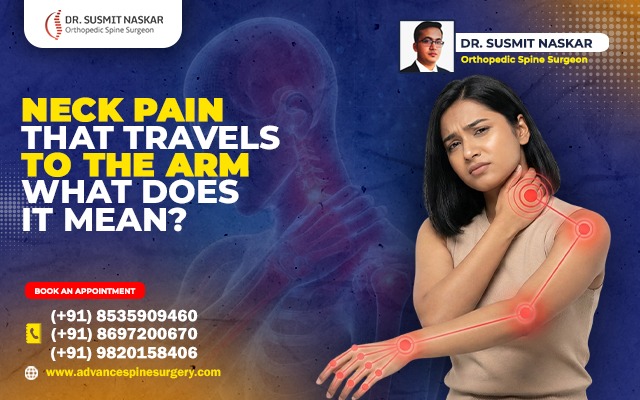
Neck pain that extends into the arm is more than just a common ache. It can indicate that a nerve in the cervical spine is being compressed or irritated, leading to symptoms s...
More
Endoscopic Spine Surgery Is Not Always Major Surgery Many people believe that any spine surgery means a large incision, long hospital stay, and slow recovery. Endoscopic spin...
More
Lumbar spondylolisthesis occurs when one vertebra in the lower spine slips forward over the bone below it. This condition can lead to lower back pain, leg pain, numbness, ting...
More
Back pain is one of the most common health concerns affecting working adults, older people, and even young individuals with sedentary lifestyles. While medicines may offer tem...
More
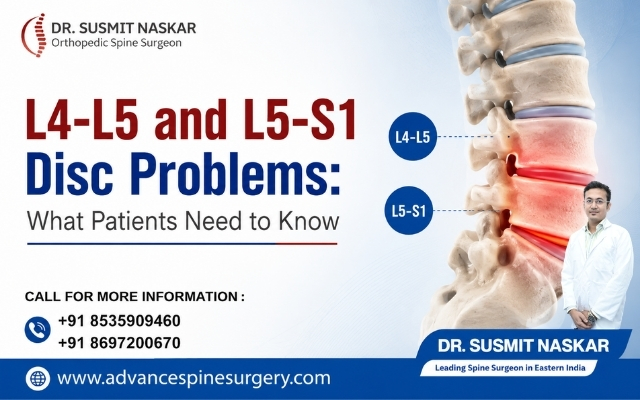
A slipped disc can cause sharp back pain, leg pain, numbness, or weakness when the soft inner part of a spinal disc presses on nearby nerves. In many cases, symptoms improve w...
More
Spine surgery has advanced significantly in recent years, with image-guided techniques helping surgeons improve accuracy and patient safety. For anyone researching the best sp...
More
Precision Imaging for Safer Planning Modern spine surgery begins long before the first incision. High-resolution MRI, CT scans, and digital X-ray systems help surgeons iden...
More
Recovering well after spine surgery is not only about healing in the first few weeks. Long-term success depends on how you move, rest, exercise, and care for your body every d...
More
The First Week: Rest, Pain Control, and Gentle Movement The first week after spine surgery is usually focused on pain management, wound care, and safe movement. Most patients...
More