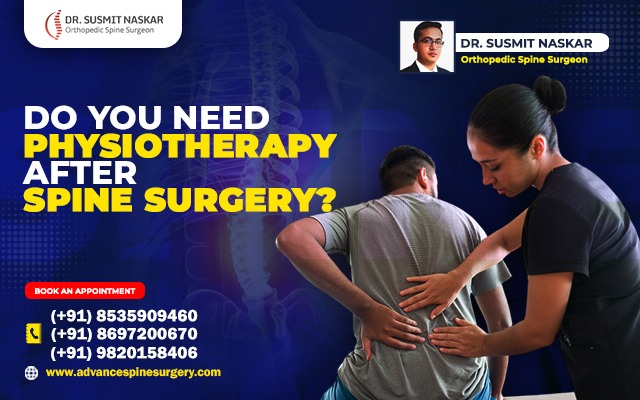
Recovering well after spine surgery is not only about healing in the first few weeks. Long-term success depends on how you move, rest, exercise, and care for your body every d...
More
Recovering well after spine surgery is not only about healing in the first few weeks. Long-term success depends on how you move, rest, exercise, and care for your body every d...
More
The First Week: Rest, Pain Control, and Gentle Movement The first week after spine surgery is usually focused on pain management, wound care, and safe movement. Most patients...
More
Recovery doesn’t end when the incision heals. After spine surgery, the long-term goal is to protect the surgical level, reduce stress on adjacent segments, and prevent re-in...
More
Back injuries often happen during ordinary tasks, lifting grocery bags, picking up a child, or leaning to load a washing machine. The good news is that most strain comes from ...
More
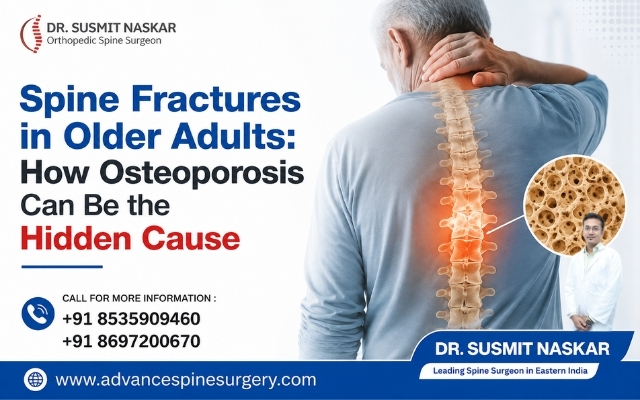
Spinal compression fractures often linked to osteoporosis, minor falls, or trauma can lead to sudden mid-back or low-back pain, reduced mobility, and difficulty standing for l...
More
Your spine is the foundation of your physical structure. It supports your body weight, protects the spinal cord, and allows movement such as bending, twisting, and walking. Wh...
More
Obesity is often discussed in the context of heart disease, diabetes, and blood pressure. Less commonly discussed—but equally important—is its impact on spine health. Acco...
More
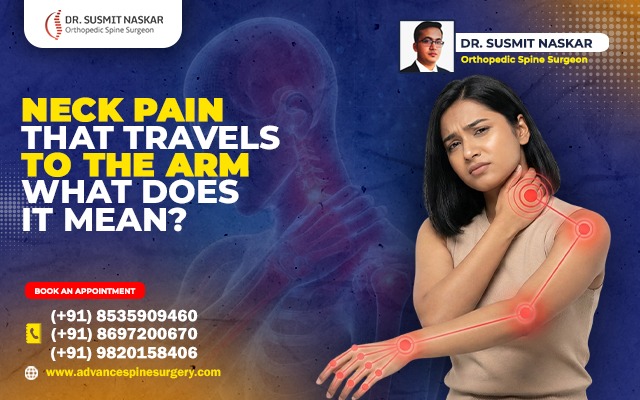
Neck pain is increasingly common in people who spend long hours at a desk, commute frequently, or use mobile devices for extended periods. While short-lived stiffness may rela...
More
Adult scoliosis is a progressive spinal deformity that often develops due to age-related degeneration or worsening of a curve that began earlier in life. Severe scoliosis can ...
More
Cervical myelopathy is a progressive condition arising from compression of the spinal cord in the neck. It often develops due to age-related degeneration, herniated discs, lig...
More