For Appointment: +91 6290 967 376
(9am to 8pm)
(9am to 8pm)
Mail: susmit.naskar@yahoo.com



Back pain is common, but not every spinal disc problem is the same. Disc degeneration and disc herniation are often confused because both can cause pain, stiffness, or nerve-related symptoms. However, they develop differently and may need different treatment approaches. Understanding the distinction can help patients have clearer discussions with the best spine specialist in Kolkata about their symptoms and care.
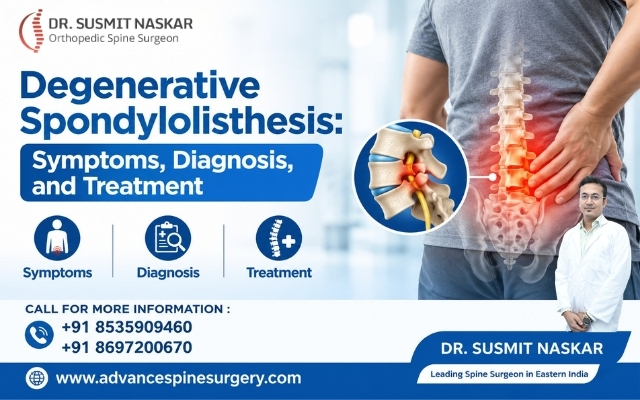
Disc degeneration, often called degenerative disc disease, refers to gradual age-related changes in the spinal discs. These discs act as cushions between the vertebrae and support movement. Over time, they may lose water content, flexibility, and height. This can lead to stiffness, aching pain, or reduced mobility. Some people may show degenerative changes on imaging without significant symptoms.
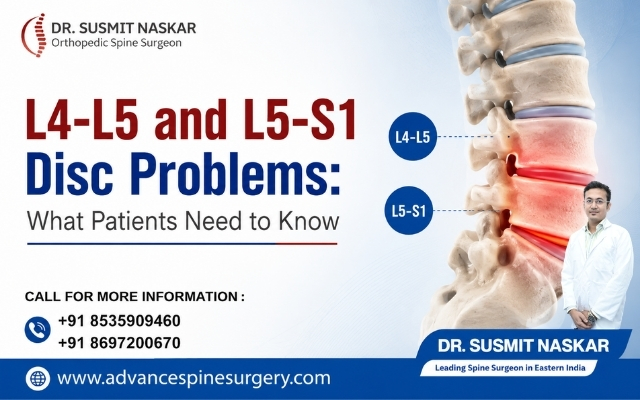
A disc herniation occurs when the softer inner material of a spinal disc pushes through a weakened or torn outer layer. If the displaced material presses on a nearby nerve, it may cause sharp pain, numbness, tingling, or weakness in an arm or leg. A best spine doctor in Kolkata may use a physical examination, medical history, and imaging when necessary to check whether nerve compression is involved.
The main difference is how each condition develops. Disc degeneration is usually gradual and linked to aging and repeated spinal stress. A herniated disc can occur suddenly after lifting, twisting, or injury, although it may also develop over time. Treatment may include activity modification, physiotherapy, pain relief, posture correction, and targeted exercises. Surgery is usually considered only when symptoms are severe, persistent, or associated with significant nerve problems.
Persistent back or neck pain, increasing weakness, numbness, balance problems, or changes in bladder or bowel control should be evaluated promptly. Early assessment can help identify the cause and guide suitable treatment. Dr Susmit Naskar, an Orthopedic Spine Surgeon, provides evidence-based assessment and individualized spine care, helping patients understand their diagnosis and options. For those searching for a best spine specialist doctor in kolkata, informed medical evaluation is an important first step toward better spinal health.