Understanding Common Spine Disorders
Posted by admin Posted On Jan 19th, 2018
Spine disorders are prevalent and can significantly impact one’s quality of life. Understanding these conditions, their symptoms, diagnosis, and treatment options is crucial for managing and alleviating pain, says the best spine specialist in Kolkata.
Common Spine Disorders
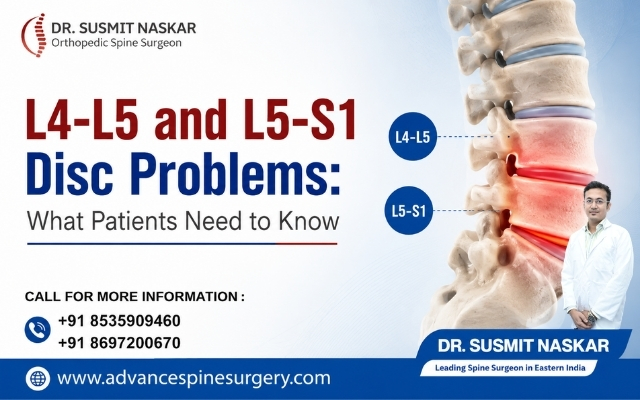
- Herniated Disc: Occurs when the soft inner gel of a spinal disc leaks out, irritating nearby nerves. Symptoms include sharp pain, numbness, and weakness in the limbs.
- Spinal Stenosis: This condition involves the narrowing of the spinal canal, which puts pressure on the spinal cord and nerves. It can lead to pain, cramping, and numbness, often worsening with activity.
- Scoliosis: A lateral curvature of the spine, usually diagnosed in adolescence. It can cause uneven shoulders or hips and, in severe cases, respiratory issues.
- Degenerative Disc Disease: As discs age, they lose flexibility and cushioning, leading to pain, stiffness, and reduced mobility.
- Sciatica: According to the best spine doctor in Kolkata, compression of the sciatic nerve, often due to a herniated disc, causes sharp pain radiating from the lower back down to the legs.
Diagnosis
Diagnosing spine disorders involves a comprehensive approach:
- Physical Examination: Initial assessment includes evaluating range of motion, reflexes, and areas of discomfort.
- Imaging Tests: X-rays, MRIs, and CT scans provide detailed images of the spine, helping identify abnormalities such as herniated discs, stenosis, or scoliosis.
- Electromyography (EMG): Measures electrical activity of muscles and helps detect nerve compression or damage.
- Bone Scans: Useful for detecting infections, fractures, or tumors.
Treatment Options
Treatment varies based on the specific disorder and its severity:
- Conservative Treatments: Initial approaches often include physical therapy, pain management with medications like NSAIDs, and lifestyle modifications such as weight loss and exercise to alleviate symptoms.
- Injections: Corticosteroid injections can reduce inflammation and pain around the affected nerves,says the best spine specialist doctor in Kolkata.
- Minimally Invasive Procedures: Techniques like microdiscectomy or laminectomy remove or relieve pressure on affected areas with less tissue damage and quicker recovery times.
- Surgery: In severe cases, surgical interventions such as spinal fusion, artificial disc replacement, or corrective surgery for scoliosis may be necessary.
Understanding spine disorders, their symptoms, diagnosis, and treatment options can help patients make informed decisions and pursue effective care strategies, improving their overall well-being and quality of life.